
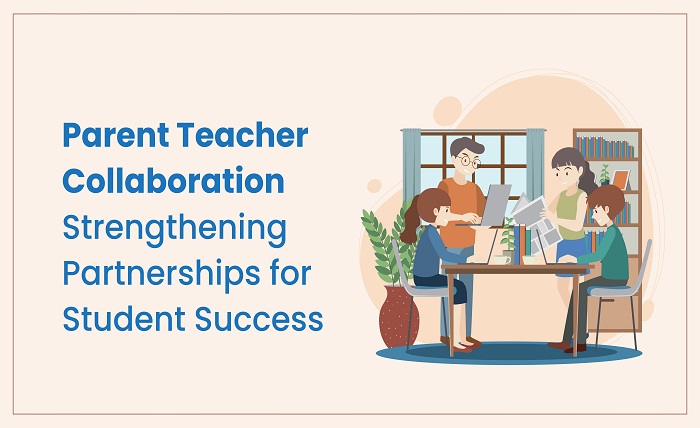
A child’s success in school is not shaped by teachers and textbooks alone. One of the most important yet often overlooked aspects of education is the partnership between parents and schools. When parents and educators work together with shared goals, children benefit from consistent guidance, emotional support, and a positive learning environment that extends beyond the classroom.
In recent years, CBSE Schools in Bangalore have increasingly emphasized strong parent–school collaboration. Through regular communication, structured feedback systems, and inclusive school activities, these schools aim to create a support network that keeps parents actively involved in their child’s academic and personal development.
Why Parent Involvement Matters in Education
Children perform better academically and emotionally when parents are engaged in their schooling. Simple actions such as attending parent–teacher meetings, understanding assessment patterns, and supporting homework routines can make a significant difference. When parents show interest in school activities, children feel motivated and valued.
Parent involvement also helps schools understand each child better. Insights from parents about a child’s strengths, challenges, and interests allow teachers to adapt their approach and provide more personalized support.
How Schools Encourage Parent Engagement
Modern schools recognize that effective communication is key to building trust with families. Many schools now use digital platforms, mobile apps, and online portals to keep parents informed about attendance, assignments, assessments, and school events.
Regular parent–teacher interactions, workshops, and orientation programs help parents stay aligned with academic expectations and teaching methodologies. Schools that actively encourage dialogue create a transparent environment where concerns are addressed early and collaboratively.
Supporting Learning at Home
A strong parent–school partnership extends learning beyond school hours. When parents understand the curriculum and assessment methods, they can better support their children at home without adding unnecessary pressure.
Creating a structured routine, encouraging reading habits, and fostering curiosity through everyday conversations help reinforce classroom learning. Schools often guide parents on age-appropriate expectations so that home support remains positive and balanced.
Role of Schools in Building a Welcoming Community
Schools that value parental involvement strive to create an inclusive and welcoming culture. Events such as annual days, sports meets, exhibitions, and community service initiatives offer parents opportunities to engage with the school community.
Such interactions help parents connect with teachers, administrators, and other families, strengthening the overall school ecosystem. A sense of belonging positively impacts both students and parents, making the educational journey more meaningful.
Emotional and Social Support Through Collaboration
Beyond academics, children face social and emotional challenges as they grow. Open communication between parents and schools ensures that issues such as stress, peer relationships, or behavioral changes are addressed promptly.
Schools with counseling support and life-skills programs often work closely with parents to guide students through these phases. This collaborative approach helps children develop resilience, self-awareness, and confidence.
Importance of Local Accessibility for Parent Engagement
Location plays a practical role in parental involvement. Schools that are easily accessible allow parents to attend meetings, events, and school activities more regularly. Reduced travel time also makes it easier for families to stay connected with the school’s day-to-day functioning.
Residential areas with well-established communities often foster stronger parent networks, encouraging shared learning experiences and peer support among families.
Choosing a School That Values Partnership
When evaluating schools, parents should look beyond infrastructure and academics to understand how much importance is given to parent engagement. Schools that encourage open communication, welcome feedback, and involve parents in the learning process tend to create more supportive environments for students.
Parents exploring Schools in JP Nagar often seek institutions that combine strong academics with active parent–school collaboration, ensuring their children receive consistent guidance both at home and in school.
Final Thoughts
Education works best when schools and parents move forward together. A strong partnership creates stability, motivation, and confidence for students, helping them navigate their academic journey with clarity and support. By choosing a school that values collaboration and communication, parents can play an active role in shaping not just academic success, but also their child’s overall growth and well-being.